
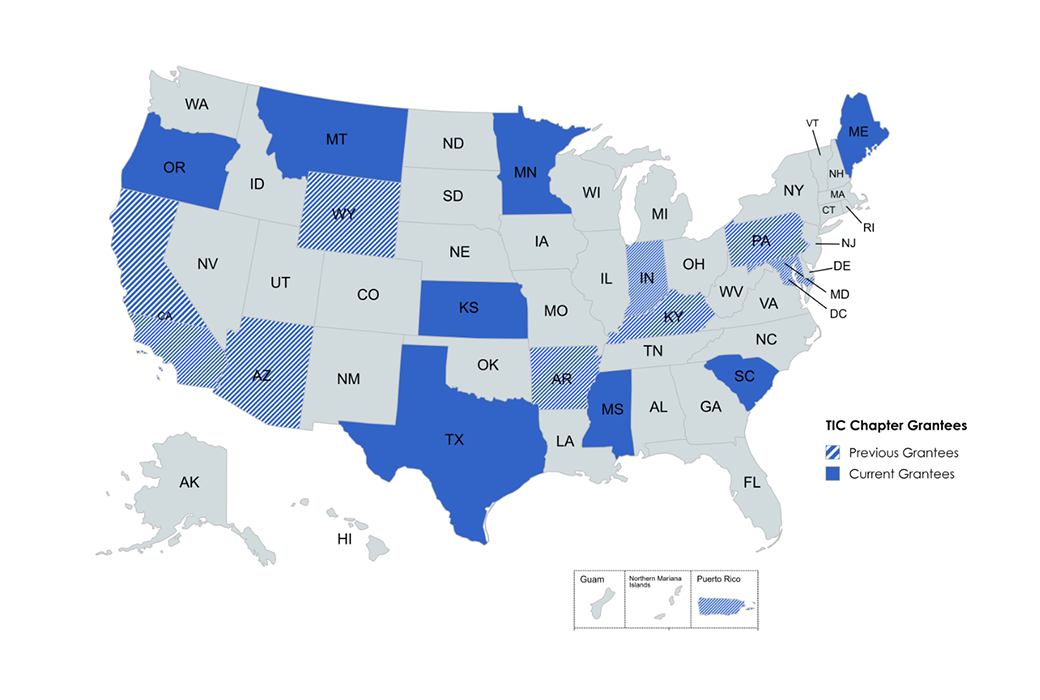
Since 2022, with funding from the Centers for Disease Control and Prevention, AAP has awarded grants to 18 AAP chapters to build capacity, promote awareness, provide education, and strengthen partnerships related to trauma-informed pediatric care. With these funds, grantees have reached tens of thousands of people through collaboration and partnership, educational efforts, and more.
If you'd like to get in contact with a chapter or learn more about their projects, contact us.
Current Grantees

Kansas
The Kansas Chapter of AAP (KAAP) is strengthening trauma-informed care and promoting healthy relationships across pediatric practices and partnerships statewide. Through leadership by the Kansas TIC Chapter Ambassador, KAAP brings partners together to share strategies, align efforts, and explore opportunities to improve EPSDT services through a trauma-informed lens. These efforts deepen understanding of children’s needs, improve coordination among providers and partners, and expand trauma-informed and relationship-centered approaches —helping children and families thrive across Kansas.

Maine
The Maine Chapter of AAP (MEAAP) is advancing a statewide collaborative to advance a trauma-informed pediatric system that promotes early relational health and supports children with special health care needs. Through expanded partnerships, MEAAP is bringing trauma-informed care training and resources into communities across Maine. The chapter is also strengthening shared care pathways between pediatric practices, community health workers, and social service providers, ensuring families receive coordinated, trauma-informed support across systems.
Minnesota
The Minnesota Chapter of AAP (MNAAP), in partnership with Alongside Network, convened pediatricians, mental health professionals, pediatric hospital systems, youth-serving organizations, early childhood partners, and public health agencies to advance trauma-informed care. Through brief, interactive learning sessions and small group discussions, participants explored practical implementation strategies, shared experiences, and strengthened cross-sector relationships. This collaborative approach supported the integration of trauma-informed practices and fostered stronger connections across Minnesota communities.

Mississippi
The Mississippi Chapter of AAP (MSAAP) established a collaborative network to advance trauma-informed care and relational health across Mississippi. By bringing together state agencies, healthcare providers, educational institutions, and community organizations, MSAAP is expanding training opportunities and increasing access to trauma-responsive resources particularly, in rural and underserved communities. The collaboration also supports shared learning, data-informed evaluation, and sustainable strategies to strengthen trauma-informed practices statewide.
Montana
The Montana Chapter of the AAP (MTAAP) is working with community partners to integrate trauma-informed care into the Montana Child Abuse Network (MT-CAN). This initiative aims to connect child welfare professionals with trained health care providers who use trauma-informed practices to evaluate suspected non-accidental trauma, support families, and prioritize child safety. Through ongoing collaboration and partner engagement, MTAAP is building a shared understanding and strengthening a coordinated, trauma-informed system of care across Montana.

Oregon
The Oregon Pediatric Society (OPS) established a trauma-informed care coalition that brings together pediatric and behavioral health providers, education partners, and families with lived experience. The coalition is building a shared understanding of trauma-informed care and exploring each organization’s role in supporting child and youth well-being. Through this collaborative effort, OPS and its partners are identifying priorities, developing objectives, and advancing strategies to strengthen trauma-informed pediatric care across Oregon.

South Carolina
The South Carolina Chapter of AAP (SCAAP) is strengthening existing partnerships and building new collaborations to advance trauma-informed care across the state. By fostering resource sharing, streamlining communication, and supporting bi-directional learning, SCAAP is helping partners align strategies and deepen their understanding of trauma-informed approaches. These efforts are contributing to a more coordinated, trauma-informed pediatric healthcare system and improved health outcomes for children in South Carolina.
Texas
The Texas Pediatric Society (TPS) is advancing trauma-informed care and relational health by embedding these principles across its governance, committees, education, advocacy, and leadership activities. Building on the work of its Connection, Healing, and Trauma-Informed Care Task Force, TPS is strengthening statewide, multi-sector partnerships that connect pediatric providers with community and state resources. These efforts help providers navigate systems, access resources, and understand how to partner with organizations that share responsibility for prevention, early intervention, and family support.
Past Grantees
Arizona
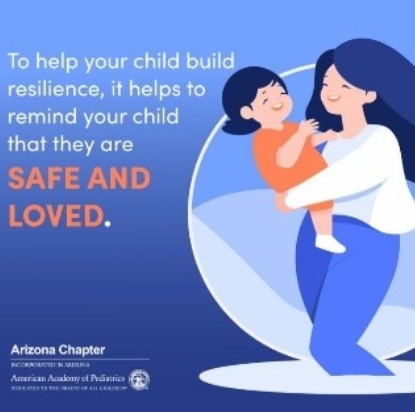
The Arizona Chapter of AAP (AzAAP) developed a new series of social media and marketing graphics. This new series received overwhelmingly positive feedback and was designed to reach a wider and more robust audience than any previous awareness campaigns in the past. The AzAAP chapter ambassador, Shawn Singleton, MD, FAAP, has been a great advocate for TIC in Arizona who provided TIC education to local providers.

Arkansas
The Arkansas Chapter of AAP engaged the Marshallese Education Initiative to provide a webinar for ARAAP members on the history of the Marshall Islands and the Marshallese population, their unique health conditions and needs, and how to provide culturally appropriate and trauma-informed care to Marshallese children. The chapter created 3 video interviews with trauma-informed care experts focusing on key aspects of trauma-informed care. The Chapter also led a book club that allowed members to learn from and engage with one another. The Chapter built new partnerships with therapists providing trauma therapy to youth and families, state organizations, and other trauma-informed care partners to exchange ideas and resources to benefit pediatricians, youth, and families.
California 2
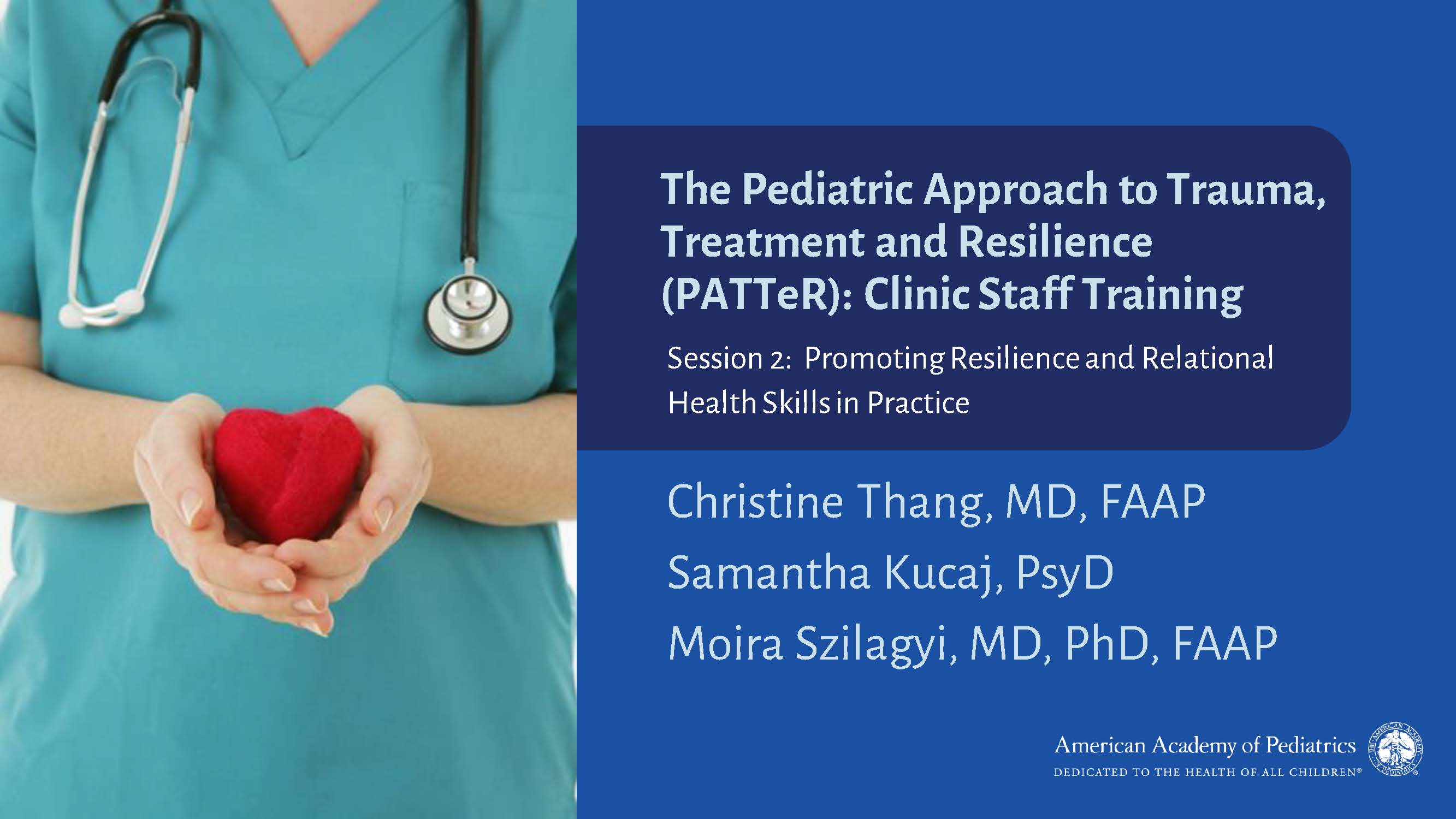
The California 2 Chapter of the AAP hosted the “Building Trauma-Informed Clinical Teams: A Train-the-Trainer Session” at the AAP-CA2 Symposium at the end of May 2025. At this symposium, providers learned about the Pediatric Approach to Trauma, Treatment, and Resilience (PATTeR) Clinic Staff Training and how they can bring this training back to their clinical community. This “Train-the-Trainer” session introduced attendees to the Pediatric Approach to Trauma, Treatment, and Resilience (PATTeR) Clinic Staff Training, and covered core TIC principles, facilitation strategies, and practical tools to train staff effectively. The program emphasized building trauma-informed clinical teams, supporting team well-being, and fostering relational health.

California 4
The California 4 Chapter of the AAP introduced the “We are Resilient” approach to providers at a half-day conference included stories and experiences shared by the participants. Participants left feeling that they learned valuable tips that they could incorporate into their own lives as well as their practices.
DC
The DC Chapter of AAP (DCAAP) hosted a Fall and Spring Symposium where the chapter ambassador presented on trauma-informed pediatric care. The chapter recruited teen representatives to participate in a “call to action” with facilitated small group sessions in which attendees explored community strengths and opportunities to partner with fellow advocates to foster resilience and identify future resources. DCAAP recruited a chapter ambassador, Ariel White, who has been a real asset to advancing TIC in DC.
Indiana
The Indiana Chapter of AAP (INAAP) two chapter ambassadors, Sarah Stelzner, MD, FAAP and Emily Scott, MD, MS, IBCLC, FAAP. They hosted several educational opportunities for pediatric providers to learn about TIC including a grand rounds presentation followed by a roundtable discussion. The roundtable revealed the need for an “action plan” for implementing trauma-informed care which led to INAAP developing a quality improvement learning collaborative. INAAP partnered with Indiana University School of Medicine Department of Pediatrics Division of General Pediatrics to host this learning collaborative which offered 25 MOC Part 4 credits from ABP. The learning collaborative involved monthly virtual meetings, monthly data collection and review and all pediatric practices through Indiana were eligible to apply.
Kansas
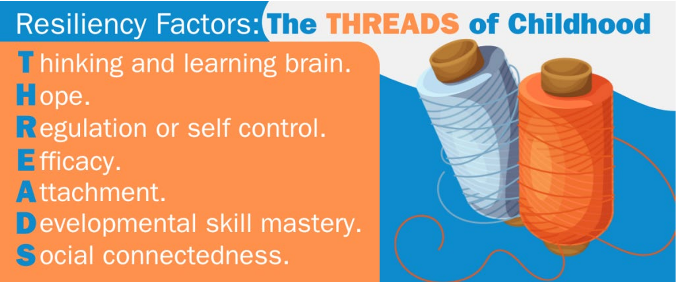
The Kansas chapter of AAP (KAAP) is focused on four main objectives: 1) enhance awareness of TIC and relational health, 2) increase TIC knowledge and practical skills, 3) cultivate new partnerships, and 4) outline a vision for KAAP future initiatives related to TIC and relational health. KAAP held the Trauma-Informed Care Collaborative Summit meeting in March of 2025. Individuals, including physicians and leaders from nonprofit, government, and community organizations, attended. Priorities for the next six months include improving data and understanding around EPSDT usage, enhancing mental and primary care integration, and considering a learning collaborative to support TIC implementation across Kansas.
Kentucky
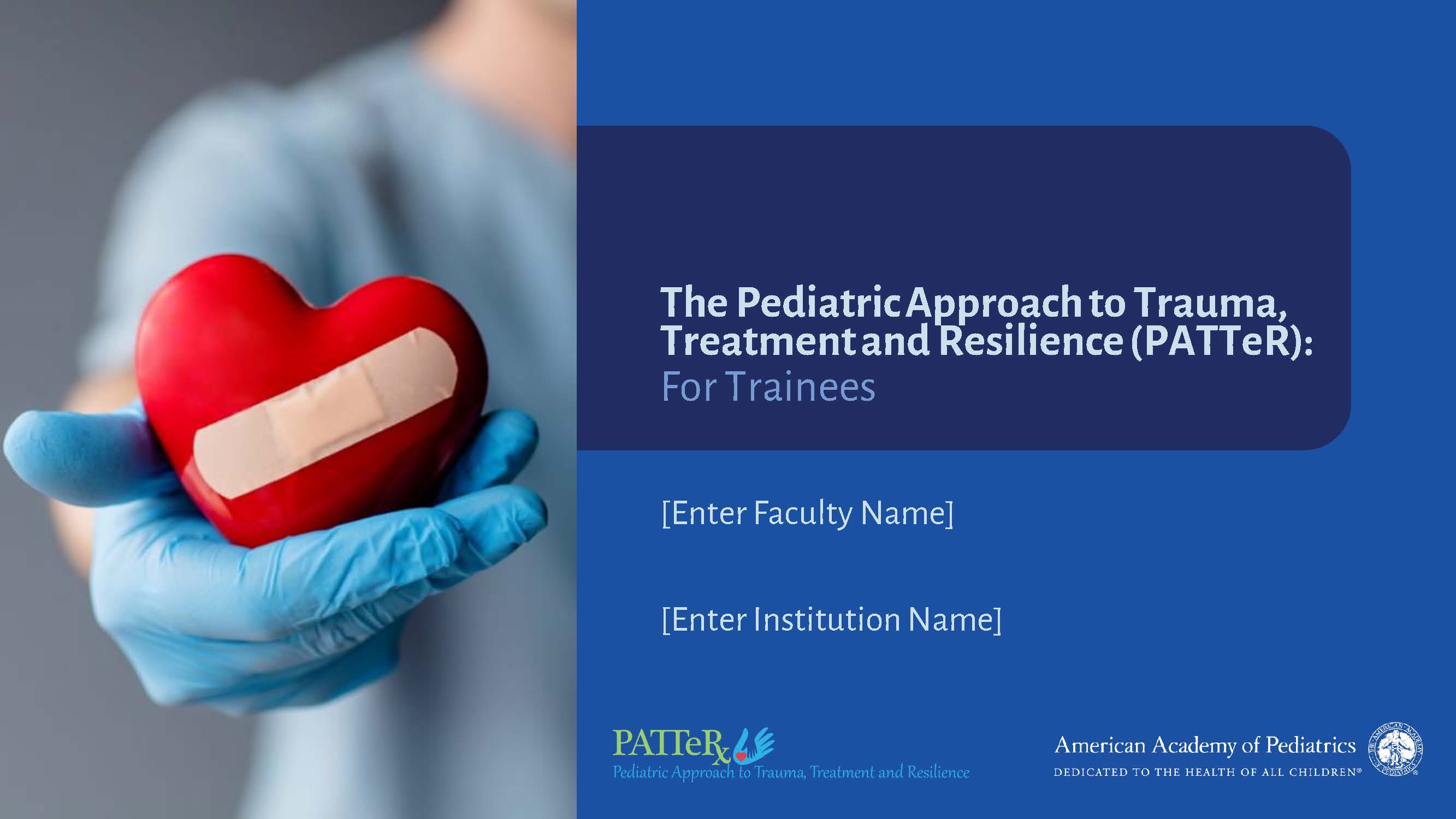
The Kentucky Chapter of the AAP partnered with the University of Louisville to provide the Pediatric Approach to Trauma, Treatment and Resilience (PATTeR): Training for Pediatric Trainees to their current cohort of residents. They are working to also provide this training to other residency programs.
Maine
The Maine Chapter of AAP surveyed their members to tailor the resources they offered and gauge the comfort level of our providers in managing patients who have experienced trauma. The resources from the AAP and from the Tuft’s Hope Center were offered as resources for pediatricians. The chapter created a milestones chart and a trauma chart, both received great feedback from members. MDAAP chapter ambassador Dr. Gretchen Pianka helped the chapter develop their resilience resource hub on the chapter’s website. Access it here.
Maryland
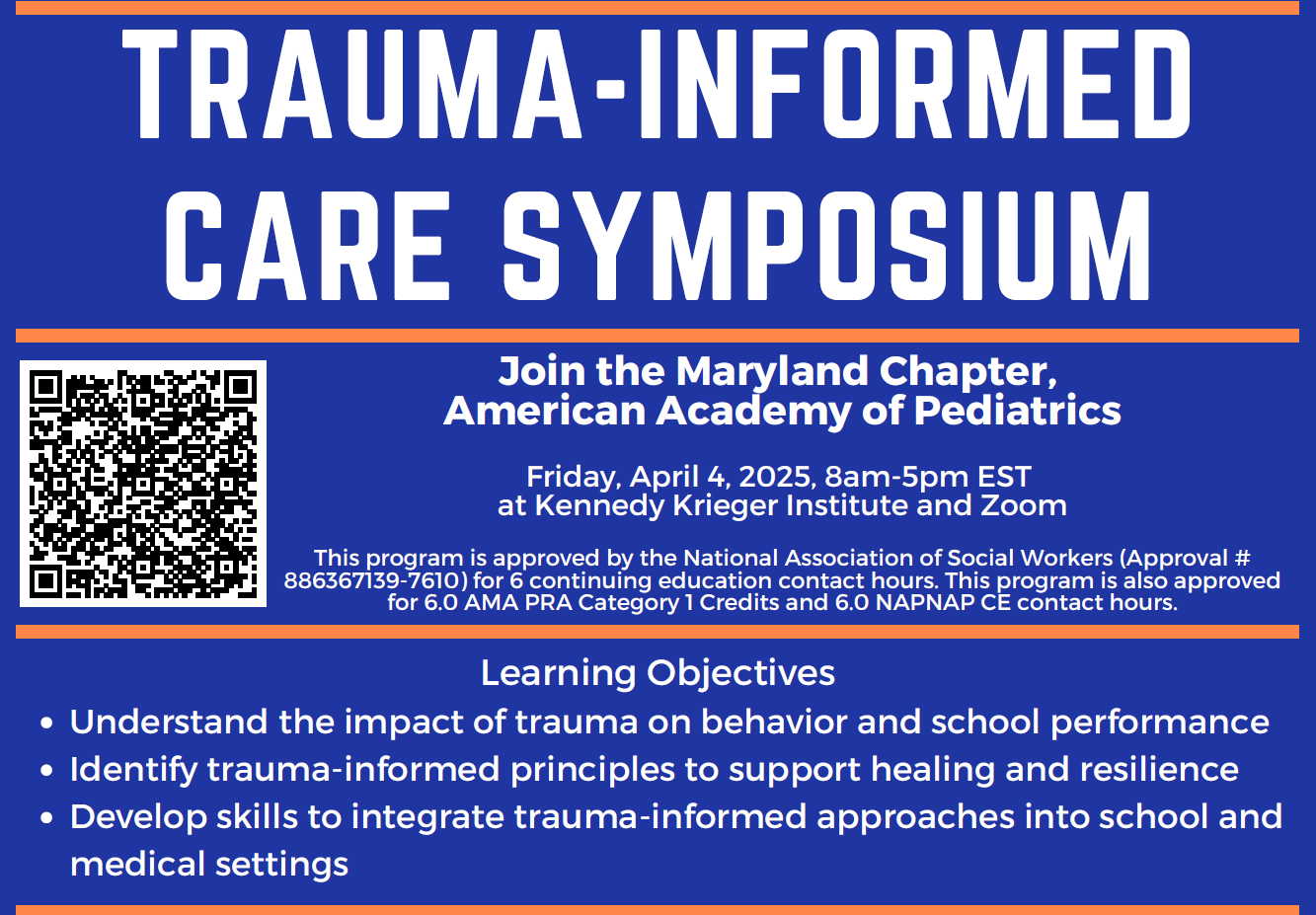
The Maryland Chapter of AAP hosted a TIC summit on April 4, 2025 that is a collaboration between pediatrics and school health. Speakers included Dr RJ Gillespie, the chapter’s TIC ambassadors Drs Kristi Machemer and Terry Nguyen, as well as school nurses and psychologists. The chapter reported that this summit was an amazing first step towards partnership and collaboration between pediatrics and the education system, and it was very well received with positive feedback on the value of the information as well as how they would bring it back to their colleagues.
Oregon
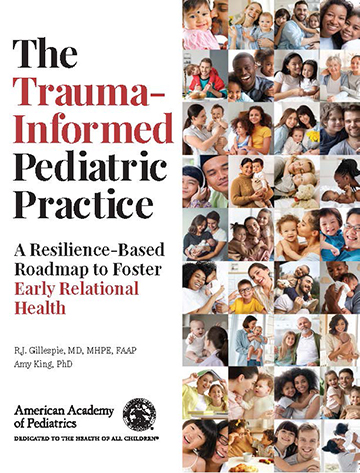
The Oregon Chapter of AAP-Oregon Pediatric Society (OPS) hosted several webinars that are available on the OPS website as enduring content with CME opportunities. They recruited a chapter ambassador that is a true champion for TIC in Oregon, R.J. Gillespie MD, MHPE, FAAP who co-authored The Trauma-Informed Pediatric Practice, A Resilience-Based Roadmap to Foster Early Relational Health as part of their ambassador work.
Pennsylvania
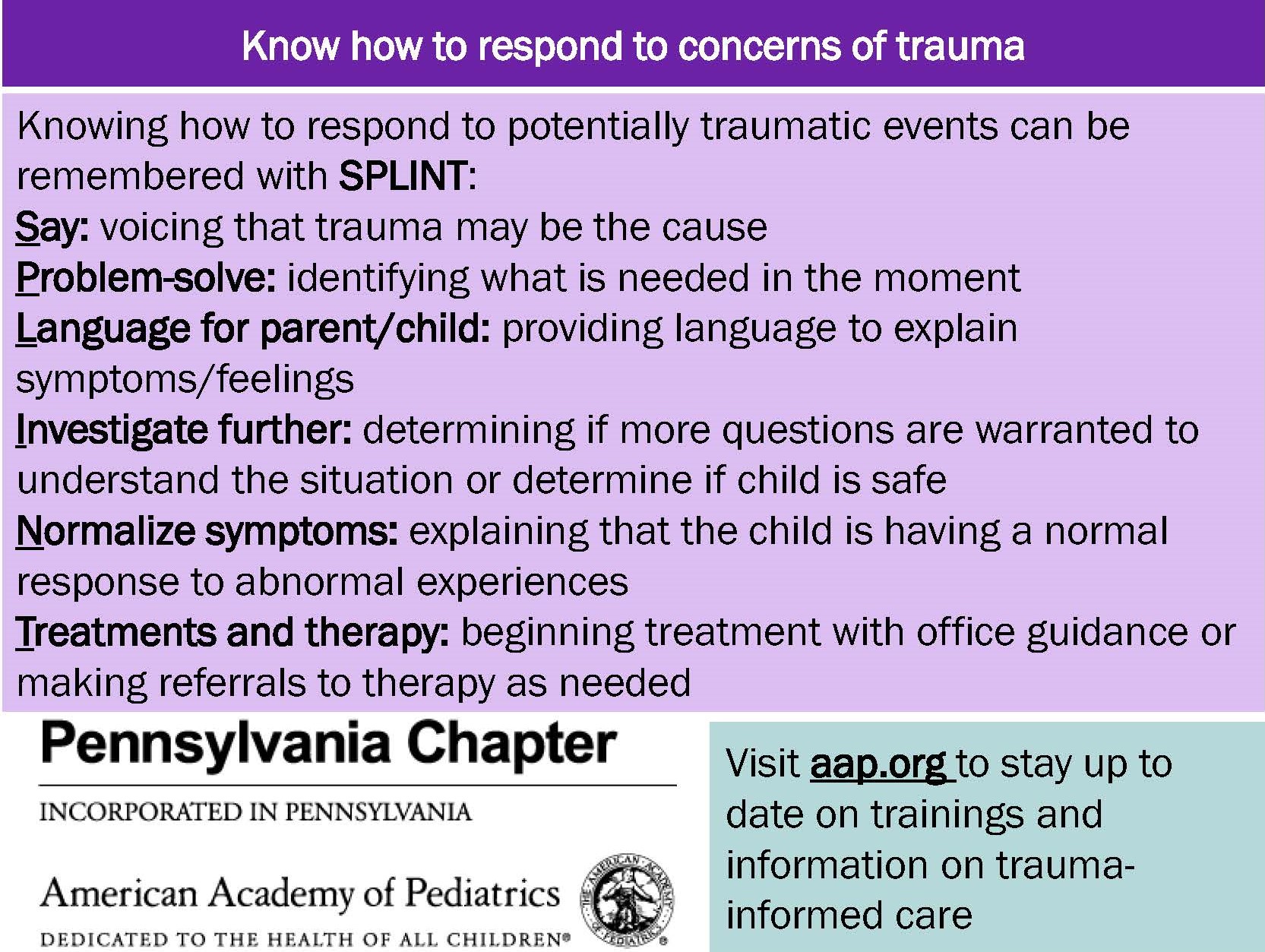
The Pennsylvania Chapter of AAP (PA AAP) surveyed their members to assess the comfort and confidence levels related to providing trauma-informed care, as well as talking to children and families about traumatic events and adversities they may have experienced. PA AAP used the survey results to guide the topics of their “Let’s Talk” educational series, the first of which was titled “Pediatric Community Forum - Thinking in a Trauma-Informed Way: Why and How”. This approach helped the chapter to guide the educational opportunities offered based on what their members needed, and the feedback PA AAP received was overwhelmingly positive. PA AAP developed an infographic, A Providers Guide to Incorporating Trauma-Informed Care into Practice for Youth, to help build the capacity of pediatric providers when implementing TIC.
Puerto Rico
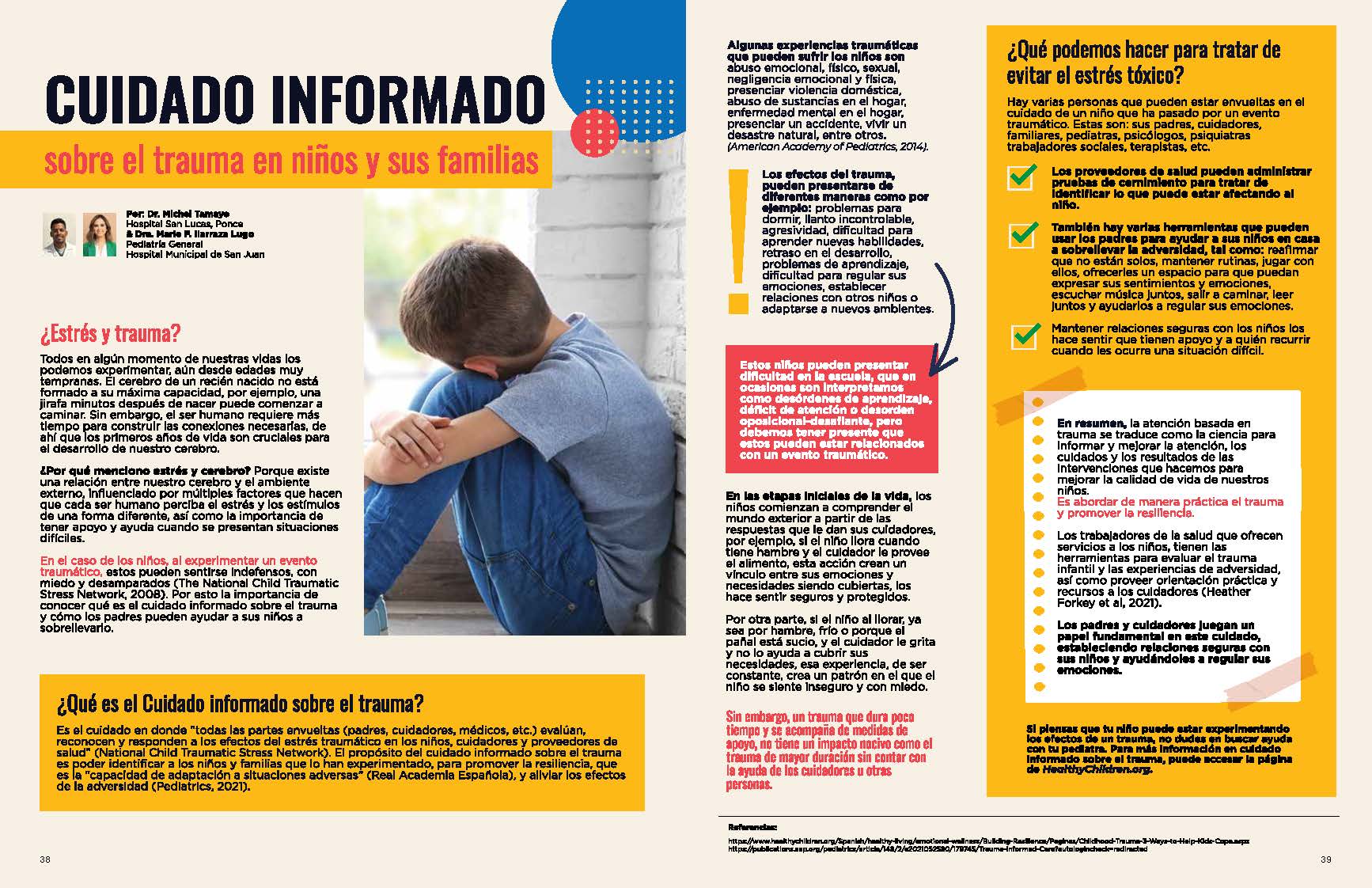
The Puerto Rico Chapter of AAP (PRAAP) hosted multiple educational opportunities to help increase awareness, understanding and capacity of pediatric providers around trauma-informed care. Additionally, they recruited 4 TIC Resident Champions to train on TIC and bring their learnings back to their respective residency programs. The TIC Resident Champions published an article in the magazine “Mi Pediatra” on TIC. This chapter is currently working with 4 different residency programs to ensure that TIC is included in curricula.

Texas
The Texas Chapter of AAP (TPS) is in the process of establishing a new Resiliency Task Force, and are currently developing objectives and goals that integrate Trauma-Informed Care (TIC) with an early relational health perspective. They are developing mini educational sessions to increase the capacity of providers and understanding of relational health. Session #1, focused on Early Relational Health, is scheduled for May 2025.
Wyoming
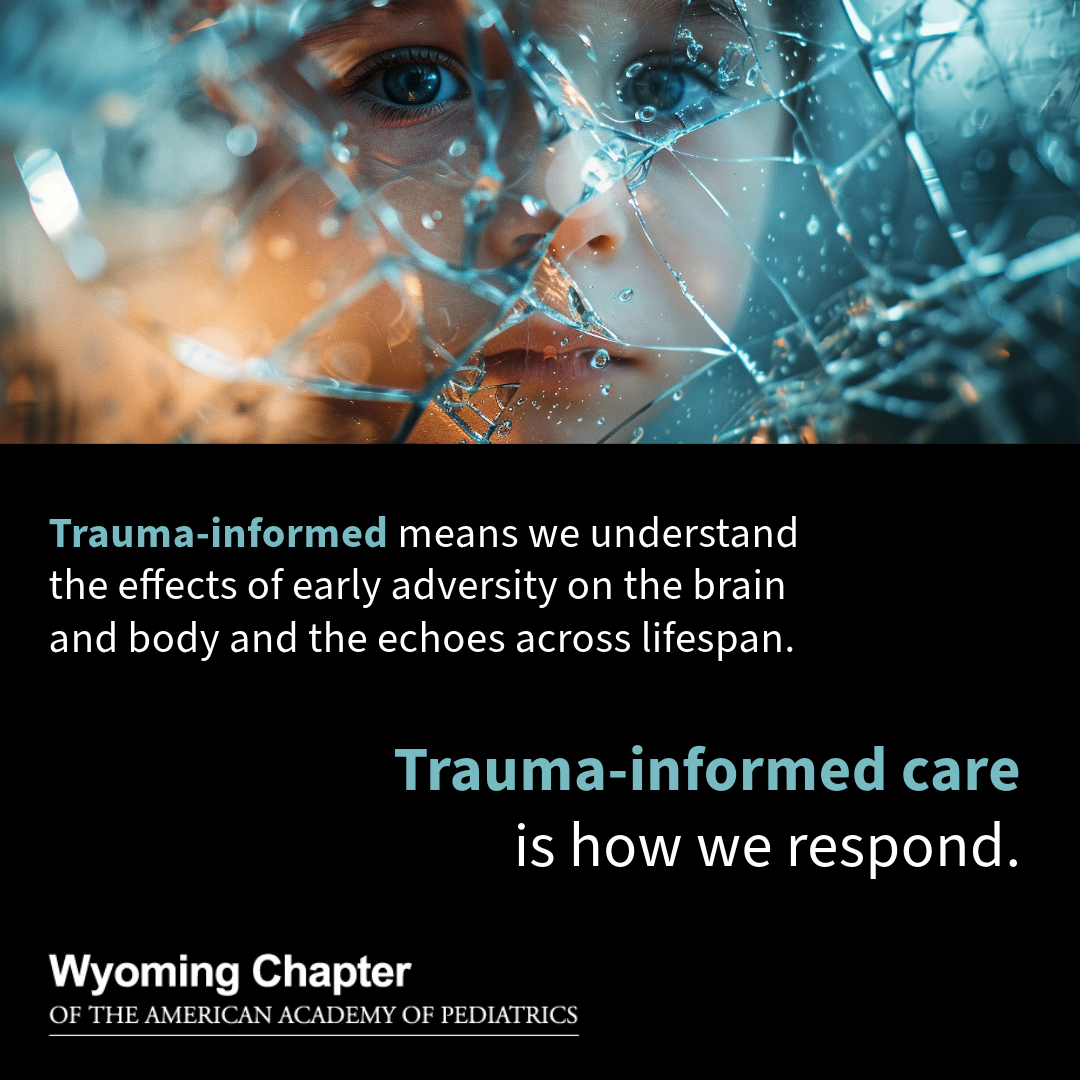
The Wyoming Chapter of AAP (WMS) has hosted multiple educational opportunities both in-person and virtual to help increase the capacity and awareness of Wyoming pediatric providers. They have also ensured that information about pediatric TIC is shared with other medical societies in Wyoming, as well as shared information with members and the public through a communications campaign.
This program is supported by the U.S. Centers for Disease Control and Prevention of the U.S. Department of Health and Human Services through cooperative agreement numbers CDC-RFA-OT18-1802 and DD-23-004. The information and opinions expressed reflect solely the opinions of the authors and are not the official position of the Centers for Disease Control and Prevention.
Last Updated
07/22/2026
Source
American Academy of Pediatrics